Key Takeaways
- •Councillor Magowan was unanimously elected Chairman and Councillor O'Connor was unanimously elected Vice-Chairman of the Audit Committee.
- •Grant Thornton confirmed they are the external auditor for Cornwall Council's second year and will assess both financial statements and value for money arrangements covering financial sustainability, governance, and efficiency.
- •The Council met the statutory deadline of 30 June 2025 for preparing financial statements, with the audit beginning the following week and aiming for completion by the November Audit Committee meeting.
- •Level 3 investments in the Cornwall Pension Fund were designated as significant audit risk due to their complexity and subjectivity in valuation, not because of investment performance concerns.
- •The Council uses a rolling five-year revaluation programme for assets, with the top 10 highest-value assets revalued annually to maintain accuracy in financial statements.
This summary was generated by AI and may contain errors. Read the full minutes for the official record.
The Audit Committee elected its leadership at the start of the meeting. Councillor German moved, and Councillor Candy seconded, that Councillor Magowan be appointed Chairman, and the motion was unanimously approved. Councillor Parsonage moved, and Councillor German seconded, that Councillor O’Connor be appointed Vice‑Chairman; this was also approved without dissent. The Committee then confirmed that the minutes of the 11 April 2025 meeting were accurately recorded and should be signed by the Chairman. No declarations of interest were made.
The Head of Finance Strategy and Technical introduced the External Auditor’s Progress Report. The Audit Manager from Grant Thornton explained that the firm is in its second year of the contract covering the Council and its pension fund, and confirmed that the statutory deadline for the Council’s financial statements (30 June 2025) had been met. The audit of the statements began the following week with a statutory completion deadline of 28 February 2026, although the Committee aims to finish the audit within the calendar year and present findings at the November meeting. During the discussion, the Auditor clarified the terms “significant risk” (journal entries with the highest error risk) and “management override of control” (presumed risks where controls should exist). He also described the process for valuing Council land and buildings, noting that external valuers support the audit and that a rolling five‑year revaluation programme—plus annual revaluations of the ten highest‑value assets—ensures accuracy.
Regarding the Cornwall Pension Fund, the Audit Director from Grant Thornton presented the audit plan for the Fund’s financial statements. Committee members asked for detail on Level 3 investments; the auditors explained that these assets (private equity, infrastructure funds, certain property partnerships) are classified as a significant audit risk because of their valuation complexity, not because of any specific concern about the Fund’s performance. The auditors emphasized that their role is to assess the reasonableness of valuations, while investment strategy decisions remain with the Pension Fund Committee and its advisors. Materiality thresholds were also discussed, with the Fund using asset‑value based materiality and the Council using income‑and‑expenditure based materiality, reflecting their differing objectives.
The Principal Auditor outlined the Committee’s risk‑assurance objectives and the methods used to identify and monitor risks. The Strategic Risks and Assessment Matrix was explained: the current risk rating reflects the Corporate Directors Team’s assessment, while the target rating represents the Council’s acceptable risk level, with mitigations designed to bridge the gap. A refreshed Risk Management Framework is to be presented to the Committee in November 2025, introducing a unified scoring system and annual internal‑audit assurance. The forthcoming Corporate Risk Management dashboard will display all 208 risks, historical scores, mitigations, and review frequencies, allowing the Committee to track risk trends and link them to external events such as macro‑economic shocks. When asked about risks whose current ratings exceed targets, the auditors noted that the framework and dashboard provide mechanisms for ongoing monitoring and resource allocation to address such gaps.
Attendance
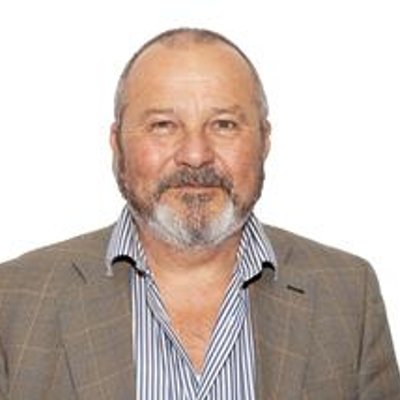
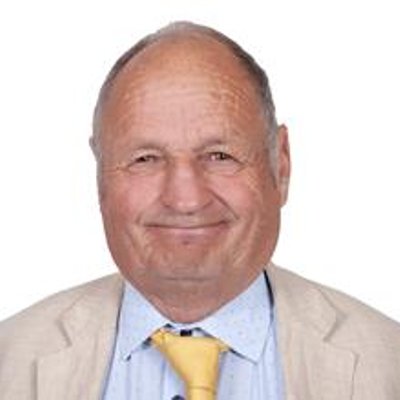
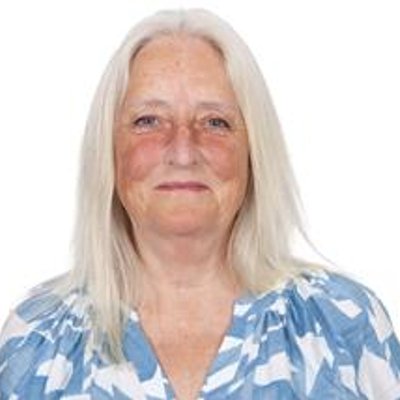
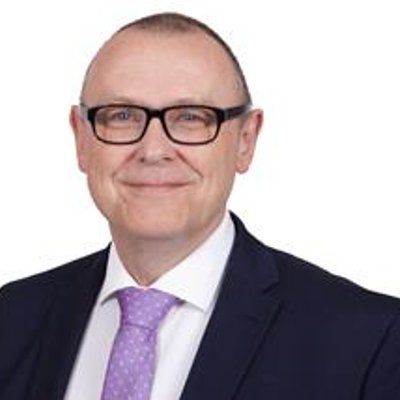
10 of 11 members present







Decisions
Election of Councillor Magowan as Chairman of Audit Committee
The council voted unanimously to elect Councillor Magowan as chairman of the Audit Committee.
Election of Councillor O’Connor as Vice‑Chairman of Audit Committee
The council voted unanimously to elect Councillor O’Connor as Vice‑Chairman of the Audit Committee.
Approval of Audit Committee minutes (11 April 2025)
The council approved the Audit Committee’s 11 April 2025 meeting minutes, confirming they were correct and should be signed by the chairman.
Related meetings
Adjacent Audit Committee meetings:
Other meetings within a week
- Central Sub-Area Planning Committee — Central Sub-Area Planning Committee - 30 June 2025 (30 Jun 2025)
- Sustainable Growth and Place Overview and Scrutiny Committee — Sustainable Growth and Place Overview and Scrutiny Committee - 1 July 2025 (1 Jul 2025)
- Licensing Act Sub Committee — Licensing Act Sub Committee - 2 July 2025 (2 Jul 2025)
- Health and Adult Social Care Overview and Scrutiny Committee — Health and Adult Social Care Overview and Scrutiny Committee - 2 July 2025 (2 Jul 2025)
- Licensing Act Sub Committee — Licensing Act Sub Committee - 4 July 2025 (4 Jul 2025)
- Appeals Committee — Appeals Committee - 7 July 2025 (7 Jul 2025)